
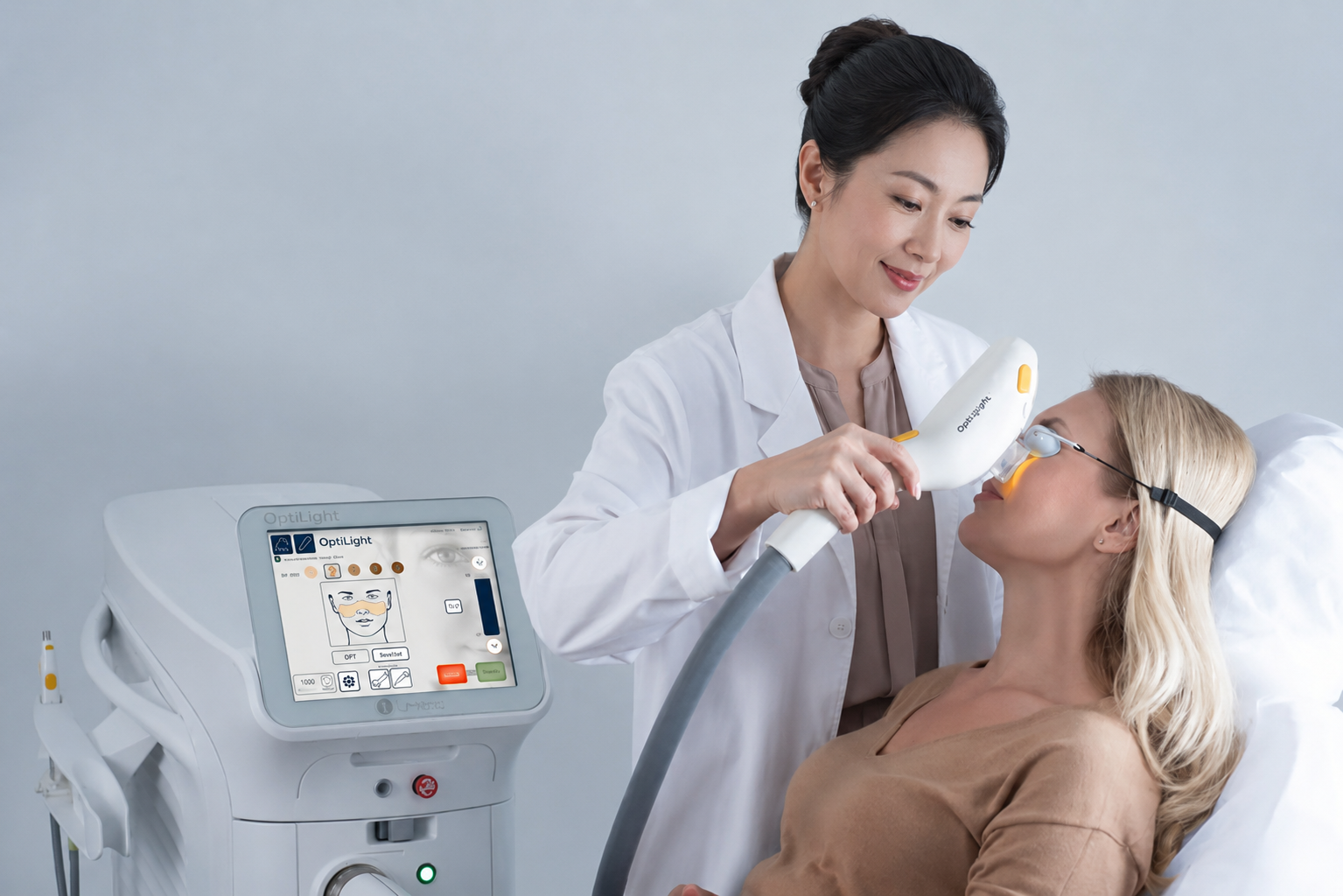
LASIK Consultation
Find Out If You Are a Candidate for LASIK or Refractive Surgery
Most patients searching for LASIK are not ready to book surgery immediately. They are usually wondering:
“Am I even a good candidate?”
“Is LASIK safe for my eyes?”
“Will dry eye affect my results?”
“Is my prescription too high?”
“Should I do LASIK, PRK, SMILE, or something else?”
So your page should position Lux Eye Exam Optometry as the trusted first step before surgery — not as the surgeon. You are helping patients understand whether refractive surgery may be a good option and guiding them toward the appropriate referral if they qualify.
Find Out If You Are a Candidate for LASIK or Refractive Surgery
If you are tired of relying on glasses or contact lenses, you may have wondered whether LASIK or another type of refractive surgery is right for you.
But not everyone is a good candidate for laser vision correction — and that is why a proper evaluation matters.
At Lux Eye Exam Optometry inside LensCrafters at Cerritos Mall, we offer LASIK and refractive surgery consultations to help determine whether your eyes may be a good fit for procedures such as LASIK, PRK, SMILE, or other vision correction options.
Our goal is to help you understand your prescription, eye health, dry eye status, corneal health, and lifestyle needs before you take the next step.
Call or text 562-809-8826 to schedule your LASIK consultation.
What Is a LASIK Consultation?
A LASIK consultation is an eye health and vision evaluation designed to determine whether you may be a candidate for refractive surgery.
LASIK works by reshaping the cornea, the clear front surface of the eye, to help light focus more accurately on the retina. This can reduce dependence on glasses or contact lenses for many patients. The Federal Trade Commission explains that LASIK reshapes the cornea to improve the way light rays focus on the retina. (Consumer Advice)
During your consultation, we evaluate whether your eyes appear healthy enough to consider refractive surgery and whether there are any concerns that should be addressed before referral.
Are You a Good Candidate for LASIK?
You may be a potential candidate for LASIK or refractive surgery if:
You are at least 18 years old
Your glasses or contact lens prescription has been stable
Your eyes are generally healthy
Your corneas appear suitable for surgery
You do not have uncontrolled dry eye
You do not have certain eye diseases affecting the cornea, retina, or optic nerve
You have realistic expectations about the results
You want to reduce your dependence on glasses or contact lenses
The FDA’s LASIK checklist highlights several important screening factors, including stable prescription, prescription strength, pupil size, corneal thickness, and tear production. (U.S. Food and Drug Administration)
Why Some Patients May Not Be Good Candidates
LASIK can be life-changing for the right patient, but it is not right for everyone.
Some patients may not be ideal candidates because of:
Unstable prescription
Severe dry eye
Thin or irregular corneas
Keratoconus or corneal disease
Advanced glaucoma
Cataracts affecting vision
Certain retinal conditions
Poor healing risk
Pregnancy or nursing
Unrealistic expectations
Prescription outside the safe treatment range
The American Academy of Ophthalmology notes that patients with severe dry eye, keratoconus, advanced glaucoma, or cataracts affecting vision may not be good candidates for LASIK. (AAO)
If LASIK is not the best fit, that does not always mean you have no options. Some patients may be better candidates for other procedures such as PRK, SMILE, EVO ICL, refractive lens exchange, or other options recommended by a refractive surgeon.
What We Check During Your LASIK Consultation
Prescription Stability
A stable prescription is one of the most important factors when considering LASIK.
If your prescription is still changing, surgery may not be recommended yet. We will review your current prescription and compare it with previous records when available.
A changing prescription may mean it is better to wait before pursuing surgery.
Eye Health
We evaluate the health of your eyes to look for conditions that may affect your candidacy, safety, healing, or visual outcome.
This may include checking for signs of:
Dry eye
Corneal irregularity
Eye allergies
Contact lens-related irritation
Cataracts
Glaucoma risk
Retinal concerns
Inflammation
The goal is to identify anything that should be treated or evaluated further before surgery.
Dry Eye Evaluation
Dry eye is especially important before LASIK.
If you already have dry eye, LASIK may make symptoms worse after surgery. The FDA notes that dry eye should be evaluated before LASIK, and dry eye symptoms may increase after the procedure in some patients. (Regulations.gov)
At Lux Eye Exam Optometry, we look closely at your tear film, eyelids, and meibomian gland function. If dry eye is present, we may recommend treating it before you move forward with a surgical consultation.
This is important because a healthier tear film can help improve comfort, measurements, healing, and the quality of your vision after surgery.
Corneal Health
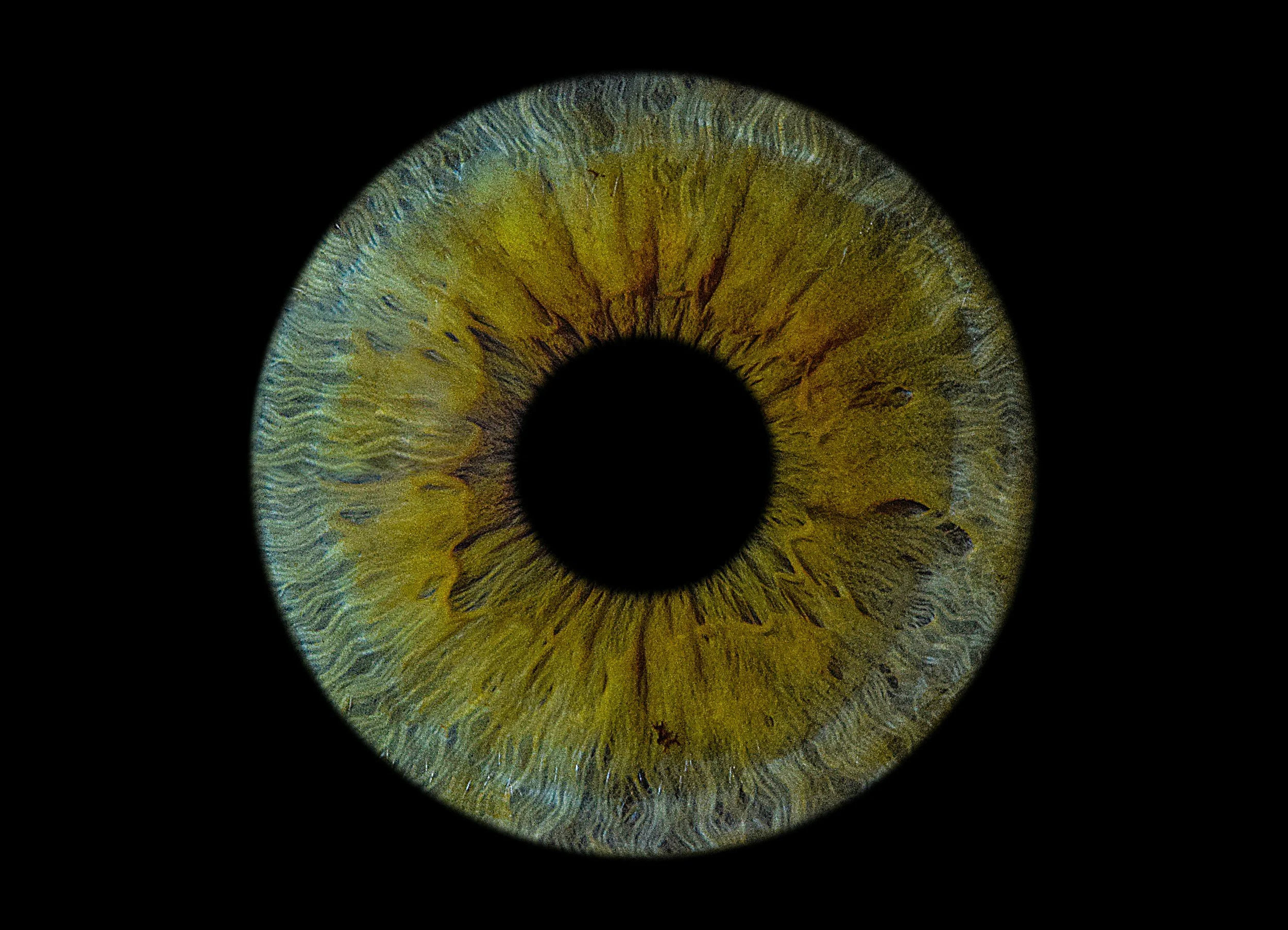
The cornea is the part of the eye reshaped during LASIK.
Your cornea needs to be healthy, regular, and thick enough for surgery. Thin or irregular corneas may make LASIK unsafe or inappropriate.
During your consultation, we evaluate the front surface of the eye and determine whether additional corneal testing may be needed with the refractive surgery center.
Lifestyle and Vision Goals
Not every patient wants the same outcome.
Some patients want freedom from glasses for driving. Some want to stop wearing contacts. Some work long hours on screens. Some are over 40 and starting to notice near vision changes. Some have high visual demands for work, sports, or night driving.
We will talk through your goals so you understand what refractive surgery can and cannot do.
LASIK can reduce dependence on glasses or contacts, but it does not stop normal aging changes such as presbyopia or cataracts later in life.
LASIK, PRK, SMILE, and Other Refractive Surgery Options
Many patients use the word “LASIK” to describe all laser vision correction, but LASIK is only one type of refractive surgery.
Depending on your eyes, your surgeon may discuss:
LASIK
PRK
SMILE
EVO ICL
Refractive lens exchange
Other vision correction options
Our role is to help evaluate your eyes, explain the basics, and guide you toward the appropriate surgical consultation if you appear to be a candidate.
The final decision about which procedure is safest and best for you is made with the refractive surgeon after advanced testing.
What to Expect at Your LASIK Consultation
Step 1: Vision and Prescription Evaluation
We check your current prescription and evaluate whether your vision is stable enough to consider surgery.
If you have previous exam records, bring them with you or let us know where your last exam was performed.
Step 2: Eye Health Examination
We examine your eyes for conditions that may affect candidacy, such as dry eye, corneal problems, inflammation, cataracts, glaucoma risk, or retinal concerns.
Step 3: Dry Eye and Corneal Screening
We look for signs of dry eye and corneal concerns. If dryness or inflammation is present, we may recommend treating it first before moving forward.
Step 4: Candidacy Discussion
After your exam, we will explain whether you appear to be a potential candidate for refractive surgery or whether there are reasons to wait, treat an eye condition first, or consider other options.
Step 5: Referral When Appropriate
If you appear to be a good candidate, we can help guide you toward a refractive surgery consultation for advanced testing and procedure recommendations.
If you are not a good candidate, we will explain why and discuss alternatives for improving your vision.
Why Your Regular Eye Doctor Should Be Part of the Process
A refractive surgery decision should not be based only on wanting to get rid of glasses.
Your eye health matters. Your tear film matters. Your cornea matters. Your expectations matter.
As your optometry office, we help you understand the full picture before surgery. We can also help manage dry eye, update your prescription, monitor your eye health, and communicate with the surgical center when needed.
This gives you a more informed and safer path toward vision correction.
Questions We Help Answer
During your LASIK consultation, we can help answer questions such as:
Am I a good candidate for LASIK?
Is my prescription stable enough?
Do I have dry eye that should be treated first?
Are my eyes healthy enough for surgery?
Would PRK or another option be better than LASIK?
Will I still need reading glasses after surgery?
What should I ask the LASIK surgeon?
What are the next steps if I want to move forward?
Our goal is to help you feel educated, not pressured.
Why Choose Lux Eye Exam Optometry for a LASIK Consultation?
At Lux Eye Exam Optometry, we believe the best surgical outcomes start with careful evaluation and honest guidance.
Patients choose our office because we offer:
LASIK and refractive surgery consultations
Clear explanations of candidacy factors
Dry eye evaluation before surgery
Eye health evaluation before referral
Convenient care inside LensCrafters at Cerritos Mall
A modern, patient-first approach
Guidance without pressure
Referral coordination when appropriate
We want you to understand your options clearly before making a decision about surgery.
Schedule a LASIK Consultation in Cerritos
If you are interested in LASIK or refractive surgery, the first step is finding out whether your eyes may be a good candidate.
Schedule a LASIK consultation at Lux Eye Exam Optometry inside LensCrafters at Cerritos Mall.
We serve patients from Cerritos, Artesia, Norwalk, Lakewood, Bellflower, La Palma, Buena Park, Hawaiian Gardens, and surrounding areas.
Frequently Asked Questions
-
You may be a candidate if you are an adult with a stable prescription, healthy eyes, suitable corneas, and realistic expectations. A consultation is needed to evaluate your prescription, dry eye status, corneal health, and overall eye health.
-
You may not be a good LASIK candidate if you have severe dry eye, unstable prescription, thin or irregular corneas, keratoconus, advanced glaucoma, cataracts affecting vision, certain retinal problems, or healing concerns.
-
LASIK can treat many cases of nearsightedness, farsightedness, and astigmatism, depending on the prescription and corneal health. The final recommendation is made by the refractive surgeon after advanced testing.
-
Yes. Dry eye should be evaluated before LASIK because surgery may worsen dryness in some patients. Treating dry eye before surgery may help improve comfort, measurements, and healing.
-
Possibly. LASIK does not stop normal age-related near vision changes called presbyopia. Patients over 40 may still need reading glasses or may need to discuss options such as monovision or other refractive strategies.
-
LASIK permanently reshapes the cornea, but your eyes can still change over time due to aging, presbyopia, cataracts, or other eye conditions.
-
No. Lux Eye Exam Optometry does not perform LASIK surgery. We provide LASIK and refractive surgery consultations to help determine whether you may be a candidate and guide you toward a refractive surgeon when appropriate.
-
Bring your current glasses, contact lens information, previous prescription records if available, and a list of any eye drops or medications you use.
-
Contact lenses can temporarily affect the shape of the cornea. Depending on the type of contacts you wear, you may be advised to stop wearing them before certain surgical measurements. We can help guide you on the next steps.
-
Yes. Lux Eye Exam Optometry offers LASIK and refractive surgery consultations inside LensCrafters at Cerritos Mall for patients in Cerritos and surrounding communities.