
Dry Eye & OptiLIGHT Treatment
Tired of Using Eye Drops That Only Help for a Few Minutes?
If your eyes feel dry, irritated, watery, gritty, burning, or tired by the end of the day, you may be dealing with more than simple dryness.
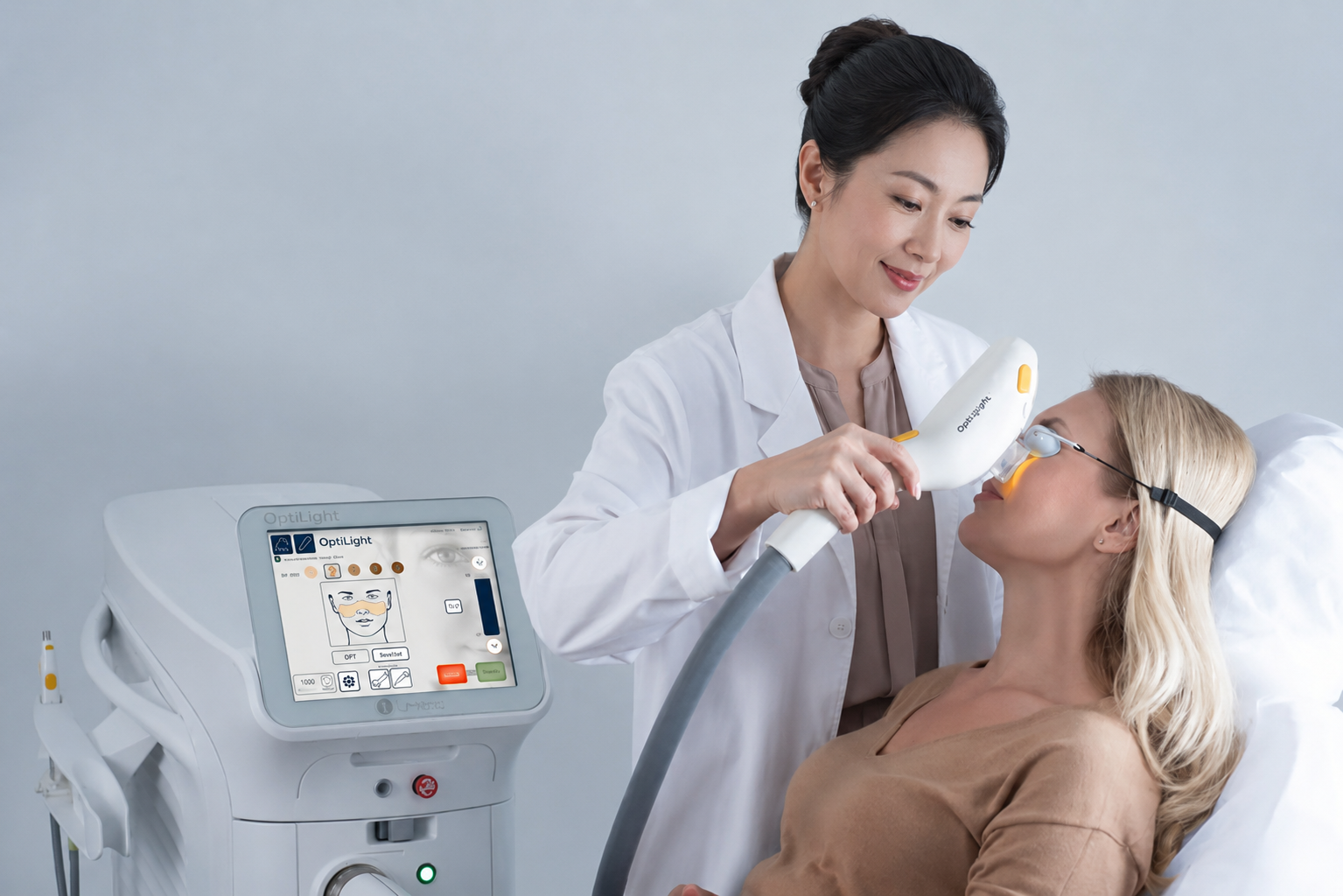
At Lux Eye Exam Optometry inside LensCrafters at Cerritos Mall, we offer dry eye evaluations and advanced treatment options, including OptiLIGHT by Lumenis, an FDA-approved IPL treatment for dry eye disease due to meibomian gland dysfunction.
What Is Dry Eye?
Dry eye happens when your tears are not able to keep the surface of your eyes properly lubricated.
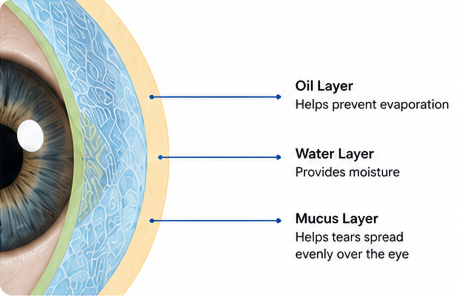
This can happen when your eyes do not produce enough tears, when your tears evaporate too quickly, or when the tear film is unstable. A healthy tear film needs the right balance of water, oil, and mucus. When one part of that balance is missing, your eyes can become irritated and inflamed.
Dry eye can affect your comfort, your vision, and your quality of life. It may make reading, driving, working on a computer, wearing contact lenses, or being outdoors more difficult.
Common Dry Eye Symptoms
You may have dry eye if you experience:
✔ Dryness
✔ Burning or stinging
✔ Redness
✔ Watery eyes
✔ Gritty or sandy feeling
✔ Blurry vision that comes and goes
✔ Light sensitivity
✔ Eye fatigue
✔ Contact lens discomfort
✔ Stringy mucus
✔ Heavy eyelids
✔ Symptoms that worsen with screen use
Some patients are surprised that watery eyes can be a sign of dry eye. When the eyes are irritated, they may overproduce watery tears as a reflex, but those tears may not have enough oil to stay on the eye long enough to provide lasting comfort.
What Causes Dry Eye?
Dry eye can have many causes. Some of the most common include:
☑️ Aging
☑️ Air conditioning
☑️ Contact lens wear
☑️ Allergies
☑️ Eyelid inflammation
☑️ Certain medications
☑️ Hormonal change
☑️ Autoimmune conditions
☑️ Dry or windy environments
☑️ Screen use and reduced blinking
☑️ Makeup or skincare products near the eyes
☑️ LASIK or other eye surgeries
☑️ Rosacea or facial redness
☑️ And more
One of the most common causes of chronic dry eye is meibomian gland dysfunction, also called MGD.
That is where OptiLIGHT IPL treatment may help.
What Is OptiLIGHT by Lumenis?
Advanced IPL Treatment for Dry Eye OptiLIGHT by Lumenis is a light-based treatment designed to help manage dry eye disease caused by meibomian gland dysfunction. OptiLIGHT uses precise pulses of light applied to the skin below the eyes. This light helps reduce inflammation around the eyelids and supports healthier meibomian gland function. According to Lumenis, OptiLIGHT is the first and only IPL FDA-approved for dry eye management due to meibomian gland dysfunction. In the United States, OptiLIGHT is indicated for the improvement of signs of dry eye disease due to MGD in patients 22 years and older with moderate to severe signs and symptoms of dry eye disease due to MGD and Fitzpatrick skin types I-IV. (Lumenis)
How OptiLIGHT Helps Dry Eye
OptiLIGHT is designed to address several key contributors to dry eye disease, including inflammation and meibomian gland dysfunction. The treatment may help:
Reduce inflammation around the eyelids
Improve oil gland function
Support a healthier tear film
Decrease tear evaporation Improve eye comfort
Reduce reliance on artificial tears
Help with dry eye related to ocular rosacea or eyelid inflammation
After OptiLIGHT treatment, the doctor may perform meibomian gland expression, which helps release oil from the glands and improve oil flow into the tear film. This approach is commonly described in OptiLIGHT treatment protocols. (Advanced Family Eyecare)
What to Expect During OptiLIGHT Treatment
OptiLIGHT treatment is performed in-office and is non-invasive. During treatment:
Your eyes are protected with shields A thin layer of gel is applied to the treatment area Light pulses are applied to the skin below the eyes Most patients feel a warm sensation with minimal discomfort The treatment area is cleaned afterward The doctor may express the meibomian glands after treatment Each session usually takes about 10 to 15 minutes, and most treatment plans involve 4 sessions spaced 2 to 4 weeks apart. Lumenis notes that maintenance sessions every 6 to 12 months are often recommended to help sustain long-term benefits. (Lumenis) Most patients can return to normal daily activities after treatment. We will review aftercare instructions with you, including sun protection and skincare guidance.

When Will I Notice Results?
Dry eye improvement is different for every patient.
Some patients notice improvement after the first or second treatment, while many notice more meaningful improvement after a series of treatments. Most OptiLIGHT treatment plans are designed as a series because dry eye is a chronic condition that often requires ongoing management.
The goal is not just short-term relief. The goal is to improve the health and function of the tear film over time.gland function before recommending treatment.
Is OptiLIGHT Right for Me?
OptiLIGHT may be a good option if you have dry eye symptoms related to meibomian gland dysfunction, evaporative dry eye, eyelid inflammation, or ocular rosacea.
You may be a candidate if you experience:
Chronic dry eye symptoms
Burning, gritty, or irritated eyes
Watery eyes caused by tear instability
Contact lens discomfort
Redness around the eyes
Dryness that does not improve enough with drops
Symptoms that worsen with screen time
Meibomian gland dysfunction
Ocular rosacea or facial redness
The best way to know if OptiLIGHT is right for you is to schedule a dry eye evaluation. We will examine your eyes, eyelids, tear film, and meibomian gland function before recommending treatment.
What Makes Our Dry Eye Care Different?
Dry eye can be frustrating because symptoms often come and go. Some days may feel manageable, while other days your eyes may burn, water, blur, or feel exhausted.
At Lux Eye Exam Optometry, our goal is to give you clear answers and practical treatment options.
Patients choose our office because we offer:
A patient-first approach
Advanced dry eye treatment with OptiLIGHT
Clear explanations of what is causing your symptoms
Treatment plans beyond artificial tears
Convenient care inside LensCrafters at Cerritos Mall
A modern, comfortable exam experience
Care for both vision and eye health
We want you to feel heard, understood, and confident about your next step.
Dry Eye and Screen Use
Many patients notice dry eye symptoms after long hours on computers, tablets, or phones.
When we use screens, we blink less often. When we blink less, the tear film can break down faster. This can make the eyes feel dry, tired, heavy, irritated, or blurry.
If your eyes feel worse after work, school, or phone use, dry eye may be part of the problem.
During your dry eye evaluation, we can talk about screen habits, blinking, lighting, contact lens wear, and other daily factors that may be making your symptoms worse.
Dry Eye and Contact Lens Discomfort
Dry eye is one of the most common reasons patients struggle with contact lenses. If your contacts feel dry, uncomfortable, or blurry by the end of the day, the issue may not be the contact lens alone. It may be the tear film underneath the lens. Improving dry eye can often improve contact lens comfort. Depending on your exam, we may recommend dry eye treatment, a different contact lens material, daily disposable lenses, or changes to your wearing schedule.
Schedule a Dry Eye Treatment in Cerritos
Whether you've been relying on eye drops for temporary relief or are looking for lasting treatment for dry, irritated eyes, we're here to help.
Schedule your contact lens exam at Lux Eye Exam Optometry inside LensCrafters at Cerritos Mall.
We serve patients from Cerritos, Artesia, Norwalk, Lakewood, Bellflower, La Palma, Buena Park, Hawaiian Gardens, and surrounding areas.
Frequently Asked Questions
-
Dry eye happens when your tears do not keep the surface of your eyes properly lubricated. This can cause dryness, burning, watering, redness, blurry vision, and irritation.
-
Watery eyes can happen when the eyes are irritated. Your eyes may produce extra watery tears as a reflex, but those tears may not have enough oil to stay on the eye long enough to provide lasting comfort.
-
Meibomian gland dysfunction, or MGD, happens when the oil glands in the eyelids become clogged, inflamed, or do not release healthy oil. Without enough oil, tears evaporate too quickly.
-
OptiLIGHT by Lumenis is an IPL treatment used to manage dry eye disease due to meibomian gland dysfunction. It uses precise pulses of light applied to the skin below the eyes to help reduce inflammation and support healthier oil gland function.
-
Yes. Lumenis describes OptiLIGHT as the first and only IPL FDA-approved for dry eye management due to meibomian gland dysfunction. (Lumenis)
-
Most patients describe the treatment as a warm sensation with minimal discomfort. Your eyes are protected during treatment, and gel is applied to the treatment area.
-
Many treatment plans involve 4 sessions spaced 2 to 4 weeks apart. Maintenance treatments may be recommended every 6 to 12 months depending on your symptoms and exam findings. (Lumenis)
-
Each OptiLIGHT session usually takes about 10 to 15 minutes. (Lumenis)
-
Most patients can return to normal daily activities after treatment. We will give you specific aftercare instructions, including sun protection recommendations.
-
Yes. Dry eye can cause fluctuating blurry vision, especially when reading, using screens, driving, or wearing contact lenses.
-
Yes. Dry eye and tear film instability can make contact lenses feel dry, blurry, or uncomfortable, especially later in the day.
-
Yes. Lux Eye Exam Optometry offers dry eye evaluations and OptiLIGHT treatment inside LensCrafters at Cerritos Mall for patients in Cerritos, Artesia, Norwalk, Lakewood, Bellflower, La Palma, and surrounding areas.